PAID ADVERTISING
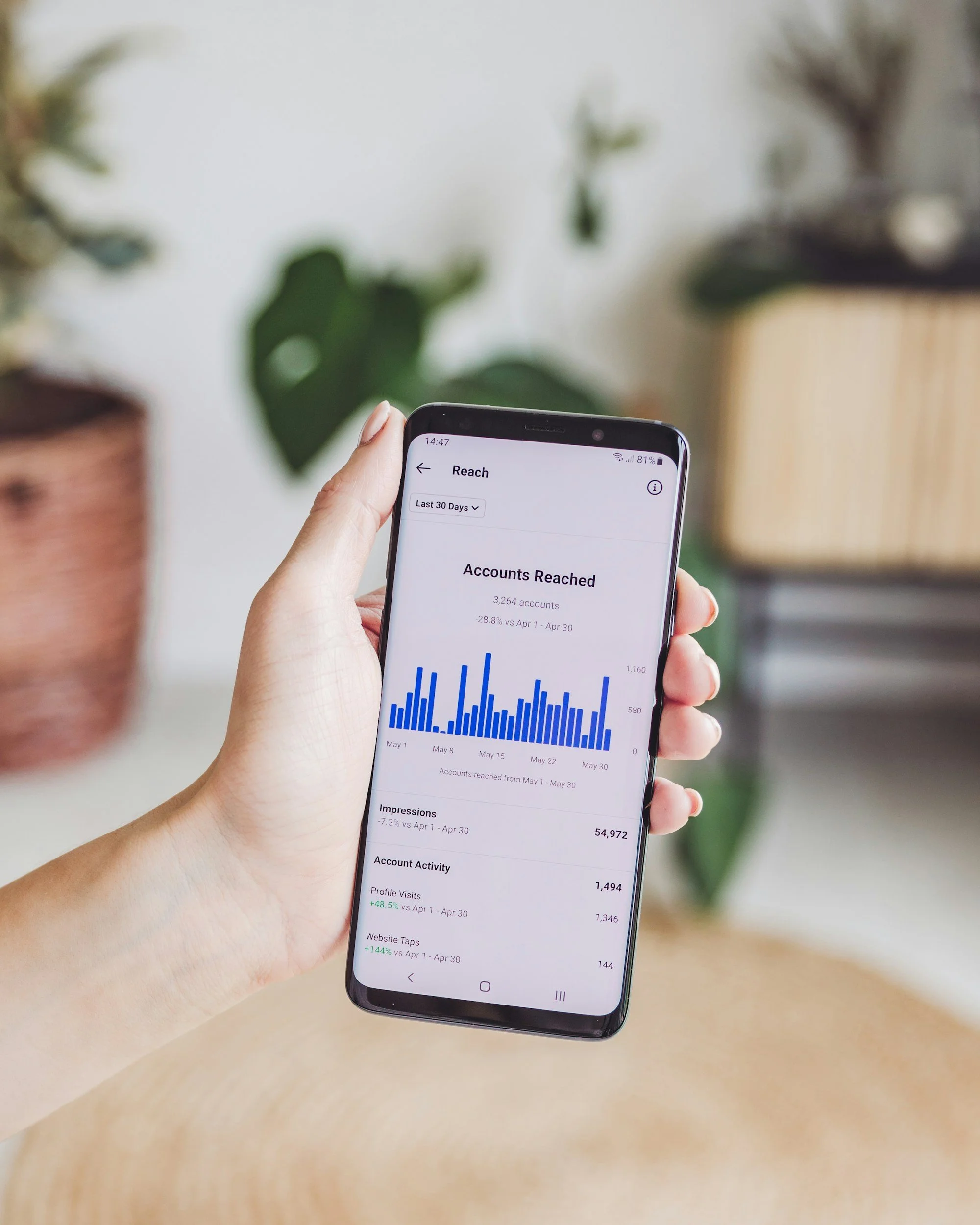
At its core, paid advertising is about buying attention. Messages are placed across search, social, and digital media
to reach an audience at scale, often measured by impressions, clicks, and cost.
START PLANNING YOUR CAMPAIGN
Just a few basics to get started.
THE BENEFIT OF PAID ADS
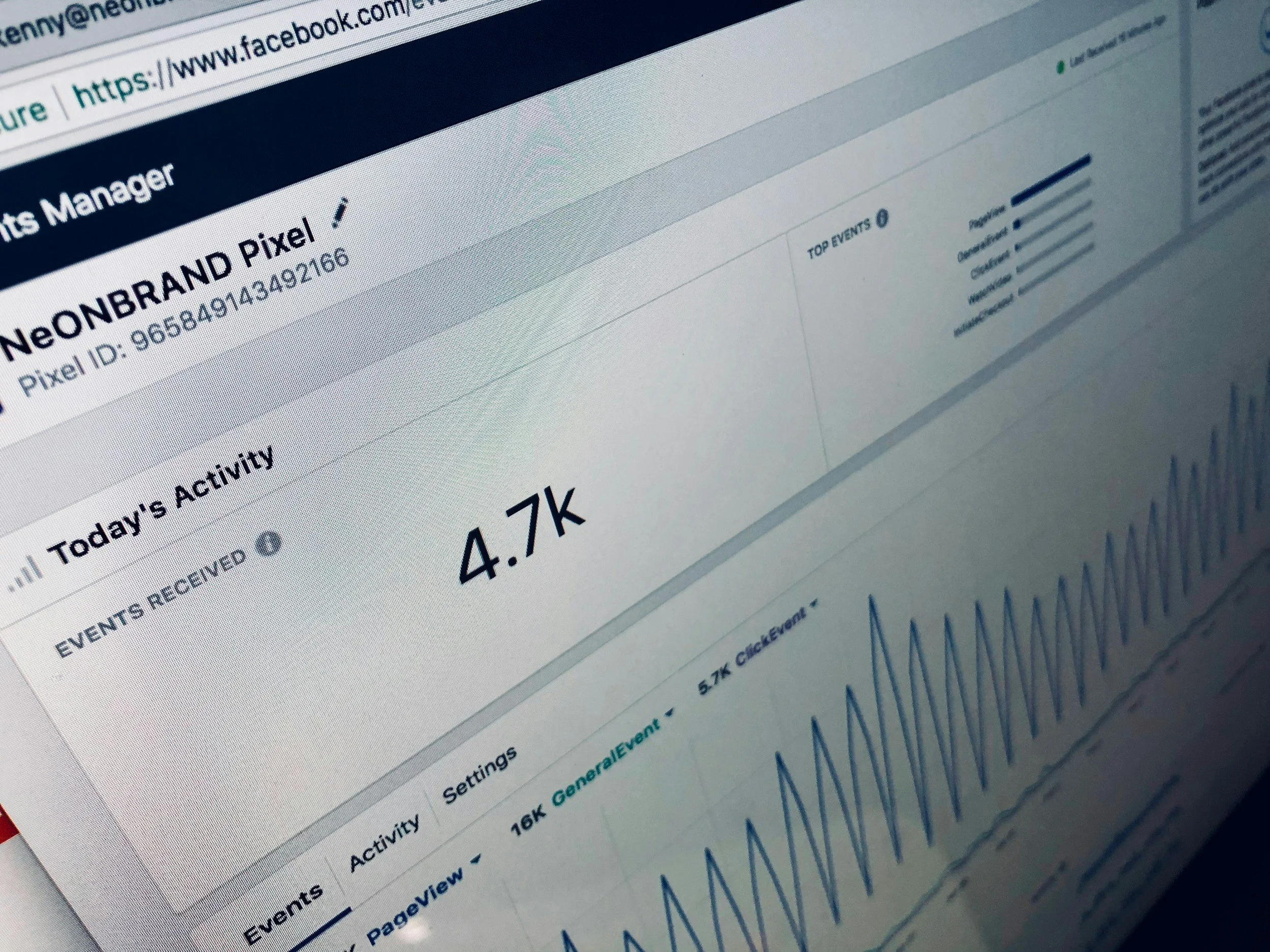
Paid ads offer flexibility and scale. They allow messages to reach specific audiences or broader markets quickly, with control over budget, timing, and placement. Whether the goal is targeted visibility or wide exposure, paid ads make it possible to adjust reach and frequency in real time.
When used well, paid ads reinforce messaging across multiple touchpoints, helping people encounter the same idea more than once as they browse, search, and scroll. That repetition builds familiarity and keeps a brand top of mind while decisions are being made. The strength of paid ads comes from their ability to combine targeted placement with consistent exposure—when reach and frequency are working together.
THE HISTORY OF PAID ADVERTISING
Paid advertising has existed as long as commerce itself. Early forms showed up in newspapers, handbills, and directories—simple placements meant to reach people where attention already gathered. As media expanded through radio and television, advertising followed, buying time, space, and repetition to stay visible.
With the rise of the internet, paid advertising shifted to digital platforms. Search engines, social networks, and websites made it possible to target audiences more precisely and measure response in real time. What started as basic placement evolved into auctions, bidding systems, and performance metrics that now define modern paid media.
Today, paid ads are a core part of how businesses generate awareness and demand across industries. While the tools and platforms continue to change, the purpose remains the same: putting a message in front of the right people, often enough, to influence action.
Industries That Perform Well With Paid Ads
Paid advertising works across a wide range of industries, which is why it remains a core channel for both established companies and growing businesses. Digital Edge works with operators across live events, e-commerce, hospitality, and service-driven brands, adapting systems to fit different markets and growth stages.
Businesses with clear offers, defined audiences, and a need for consistent visibility tend to perform best. For early-stage brands, paid ads help establish awareness and momentum. For more established operators, reach and frequency reinforce demand and support ongoing sales across markets.
Paid advertising with Digital Edge is flexible and scalable. Pricing is determined by factors like ad spend, campaign length, audience size, and platform selection, with the ability to adjust reach and frequency across markets and timelines
PAID ADS PRICING
Digital Edge’s Paid Advertising Services
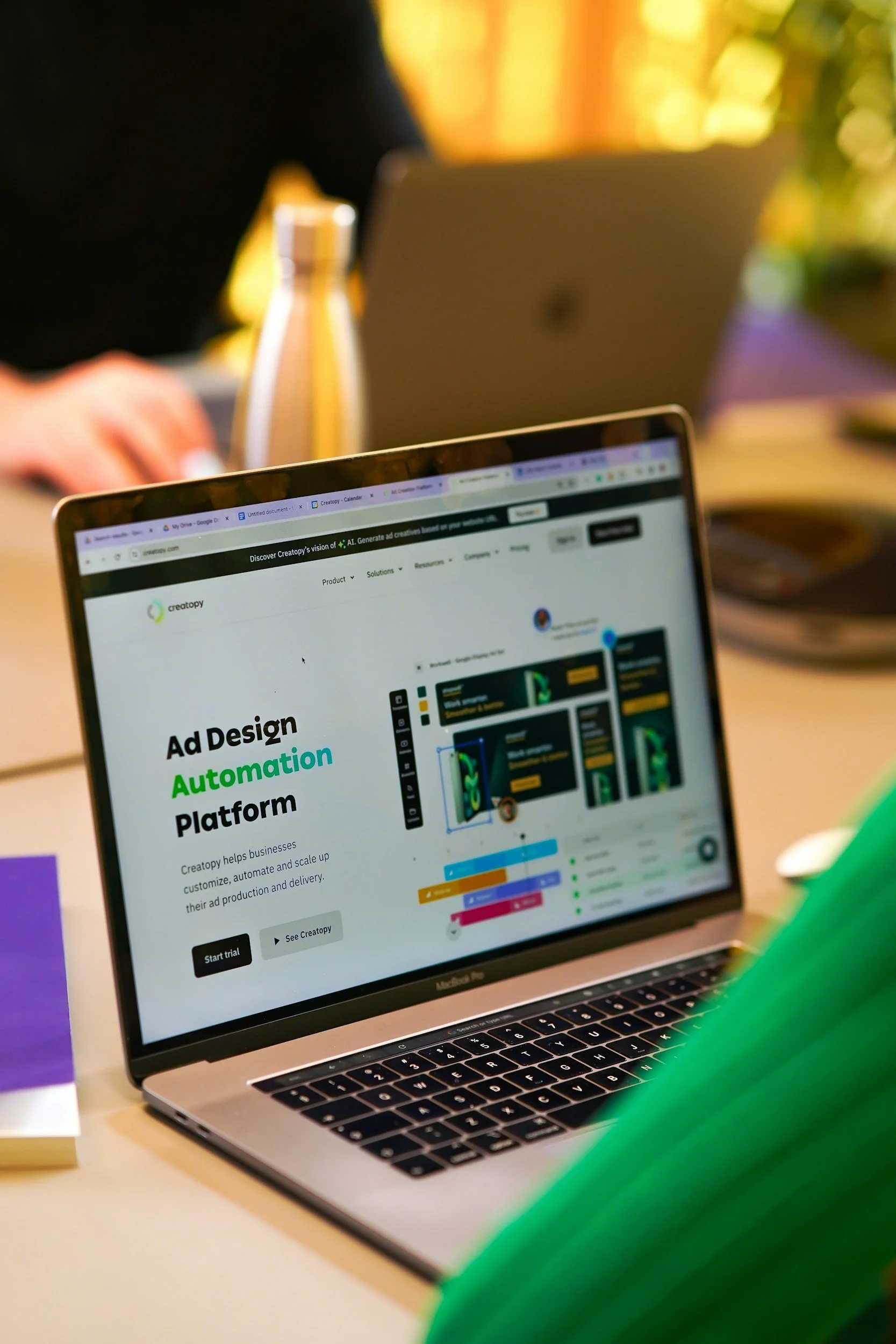
Digital Edge supports the full scope of paid advertising across search, social, and digital platforms, integrating ads directly into broader demand systems. Our work spans audience targeting, creative deployment, tracking, and ongoing optimization—designed to function together rather than as isolated tactics.
In addition to core paid media execution, Digital Edge builds supporting infrastructure that strengthens performance over time, including audience capture, retargeting, and reporting systems. These layers work in conjunction with active campaigns to improve visibility, reinforce messaging, and provide clear insight into what’s driving demand.
Rather than offering a single format or channel, our services are designed to adapt—supporting different markets, timelines, and levels of scale as needs evolve.
CASE STUDIES
We’ve architected campaigns with clients across countless verticals, each with unique objectives. And they keep coming back to us. Here’s why.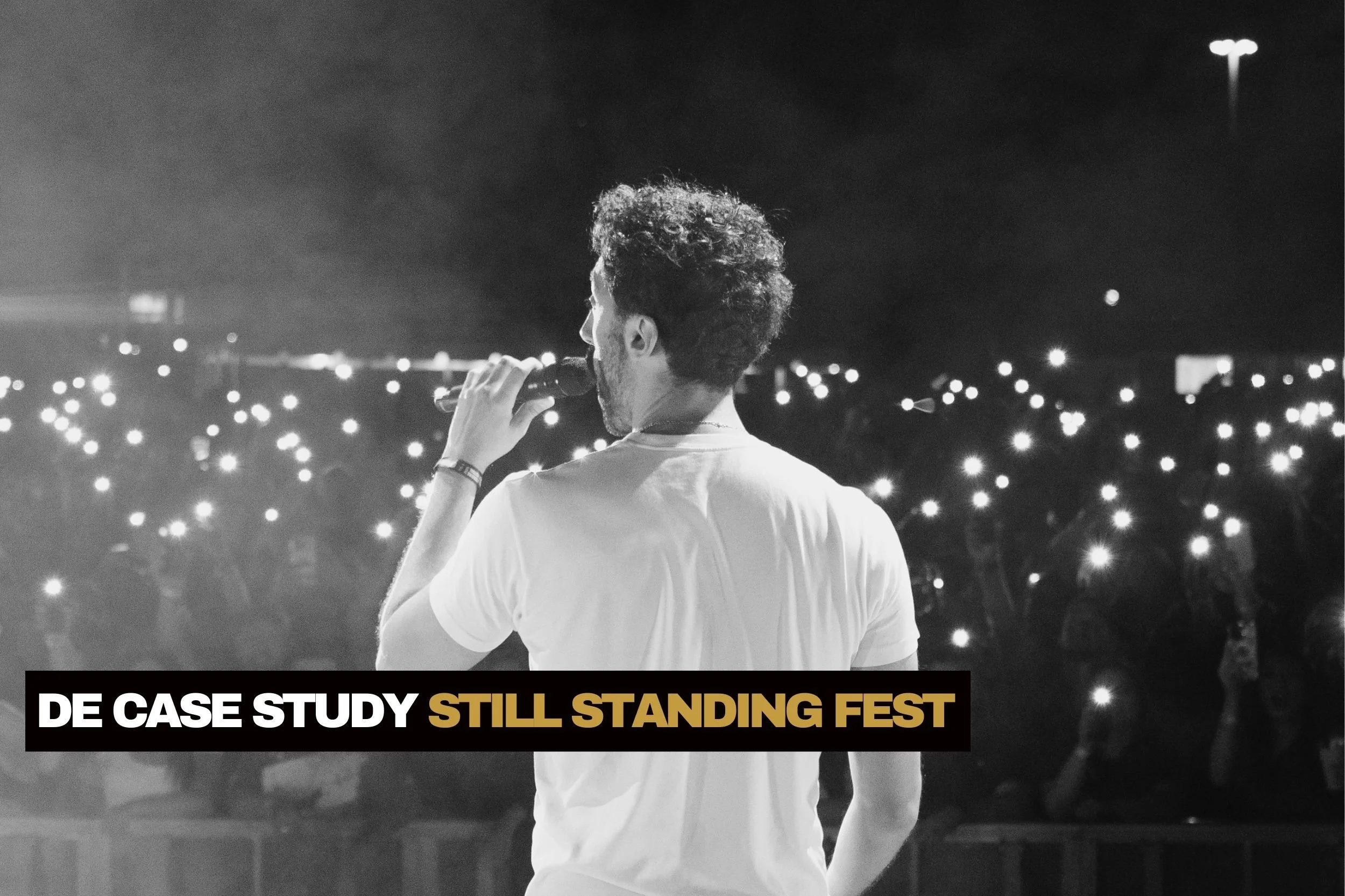
Still Standing Comedy Festival
Still Standing set out to launch a new comedy festival with momentum, so a full-funnel digital campaign was built to drive ticket demand while establishing an owned audience foundation for future years.
See Case Study →
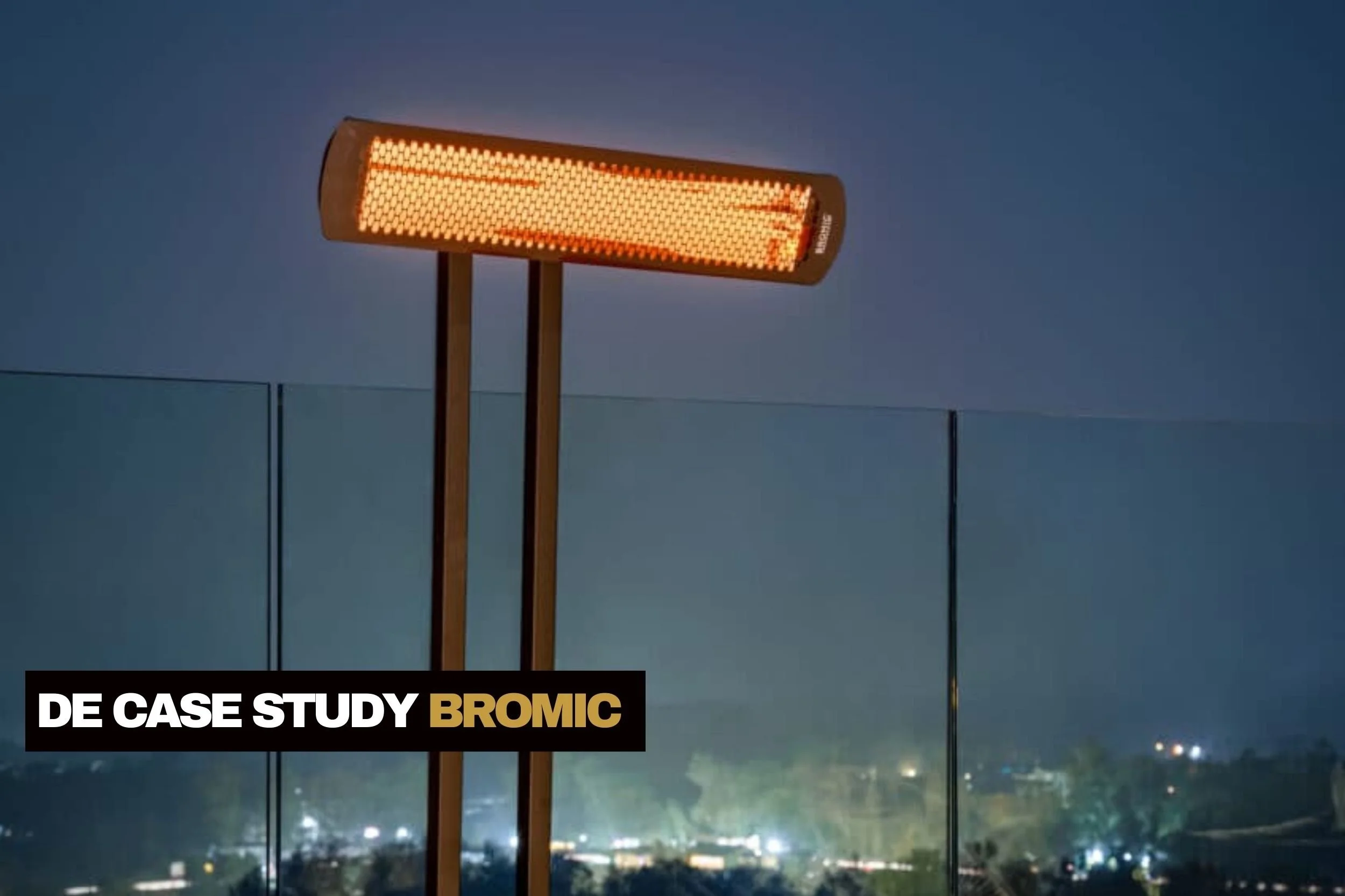
Bromic Heating
Digital Edge keeps Bromic in front of luxury outdoor buyers with always-on paid media built for intent—capturing demand at the moment people are actively speccing patios, rooftops, and hospitality upgrades.
See Case Study →
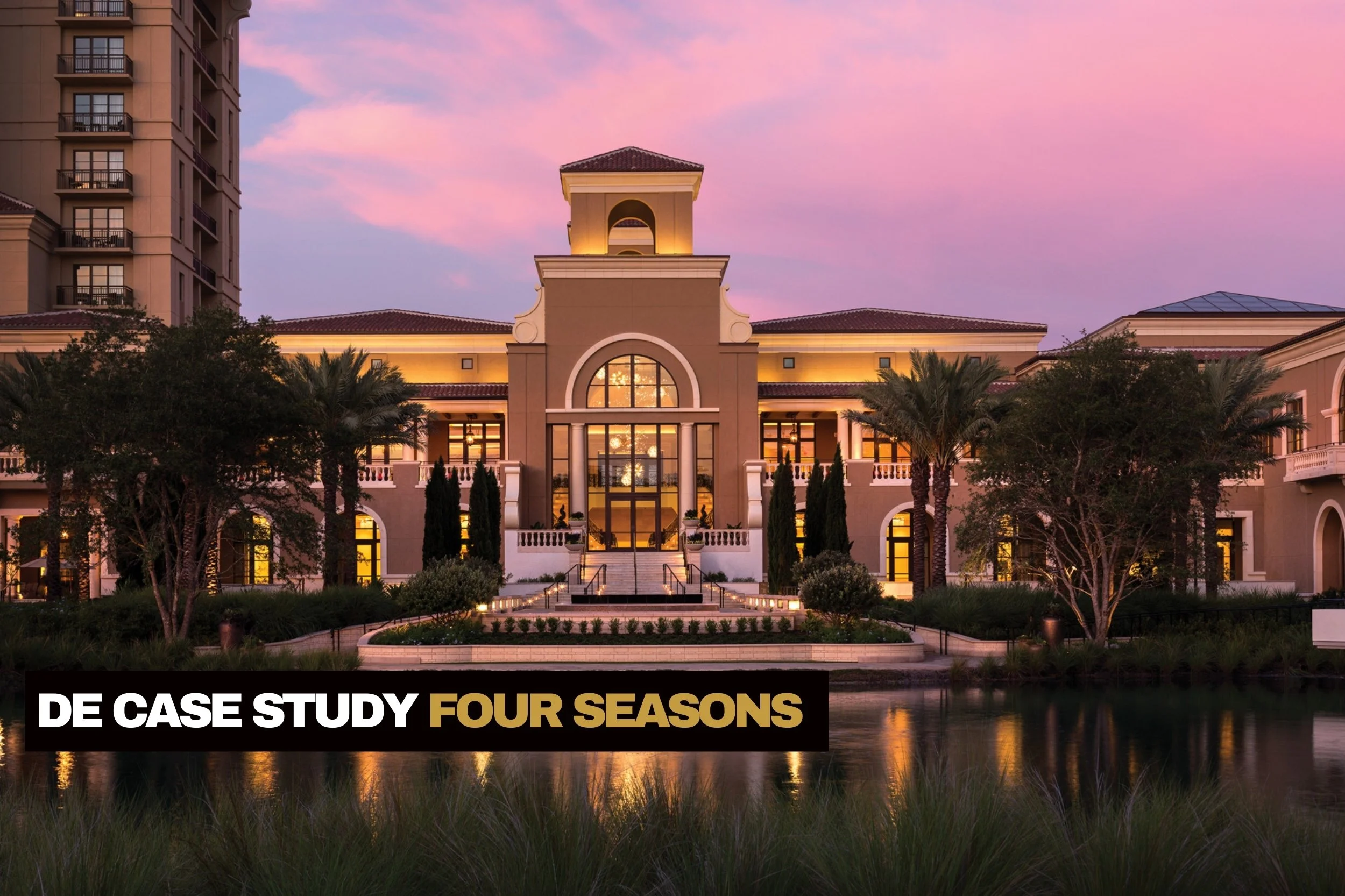
Four Seasons
Four Seasons requires a level of clarity and confidence that goes far beyond traditional sales outreach. To support engagement at the five-star hospitality level, a digital acquisition and qualification system was built to communicate value, handle complexity, and guide decision-makers through a high-stakes purchasing process—resulting in a flagship outdoor installation for a Four Seasons property.
See Case Study →
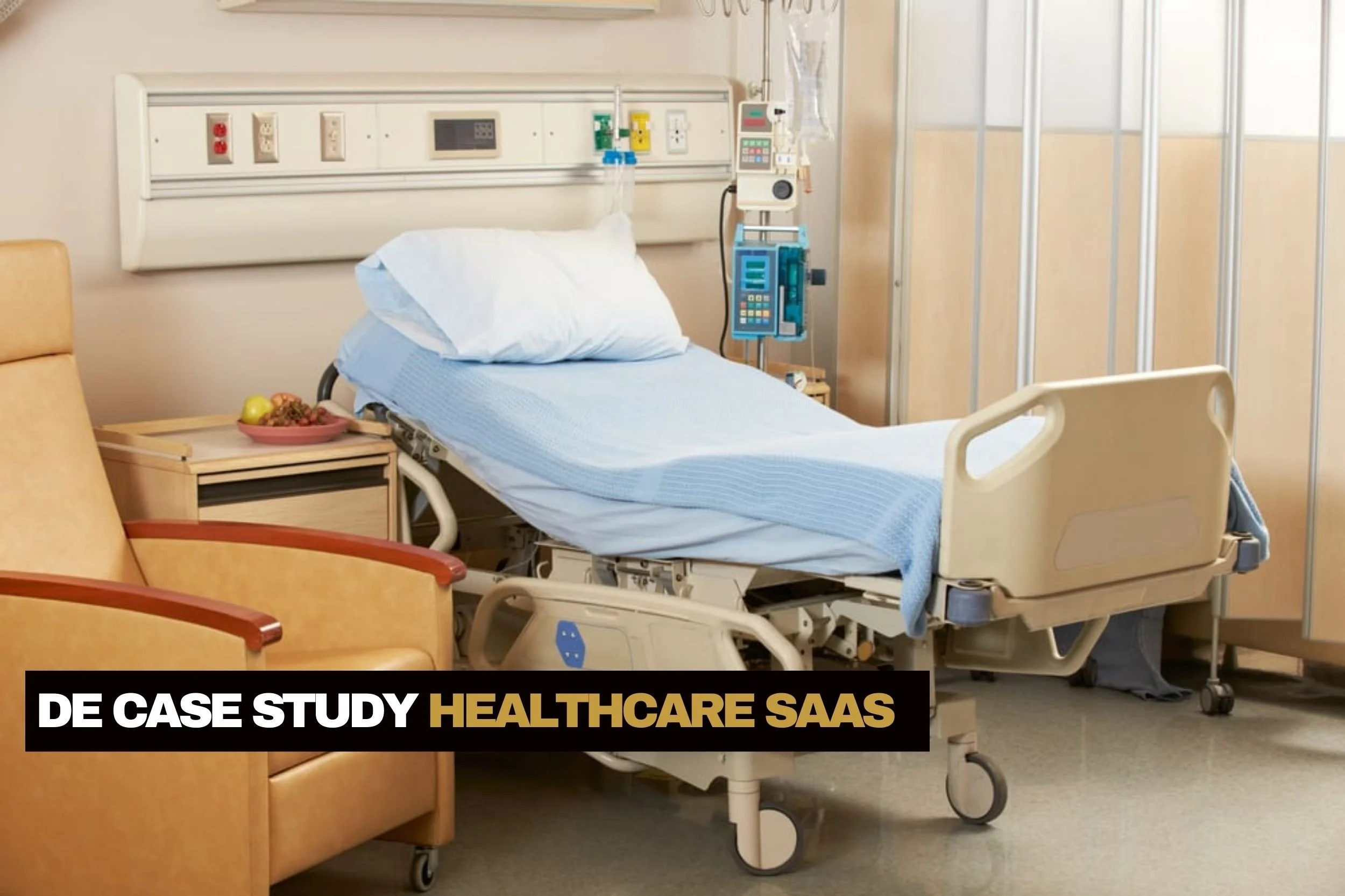
Healthcare SaaS Platform (Release of Information)
A healthcare technology company focused on Release of Information workflows needed clearer visibility into how digital acquisition translated into pipeline and revenue. A performance and attribution framework was developed to support leadership decision-making during a critical growth phase.
See Case Study →
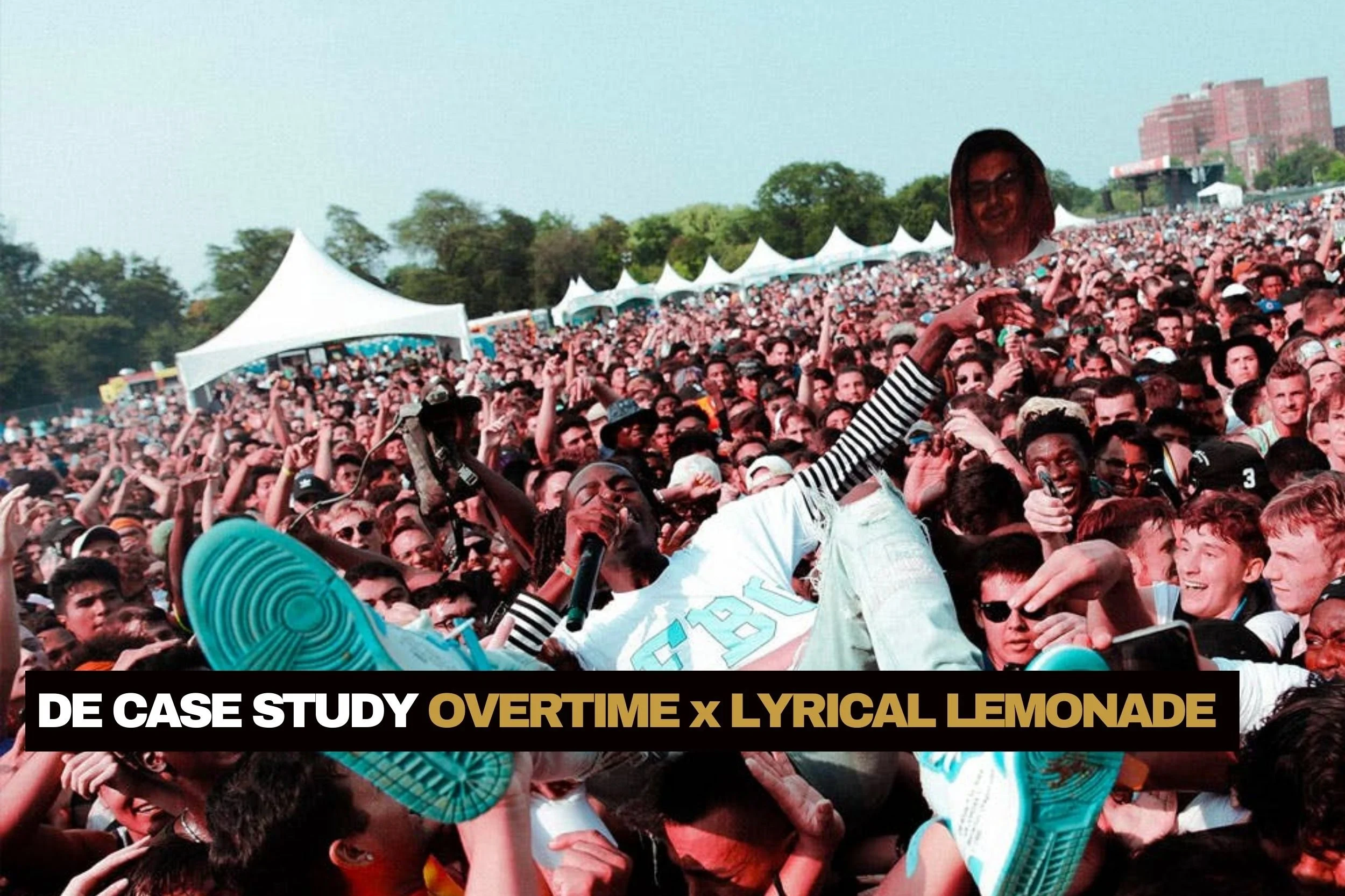
Overtime x Lyrical Lemonade
A major festival partner wanted content that felt native to culture, so a custom on-site concept was ideated, pitched, and produced—resulting in a standout social moment tied to the event.
See Case Study →
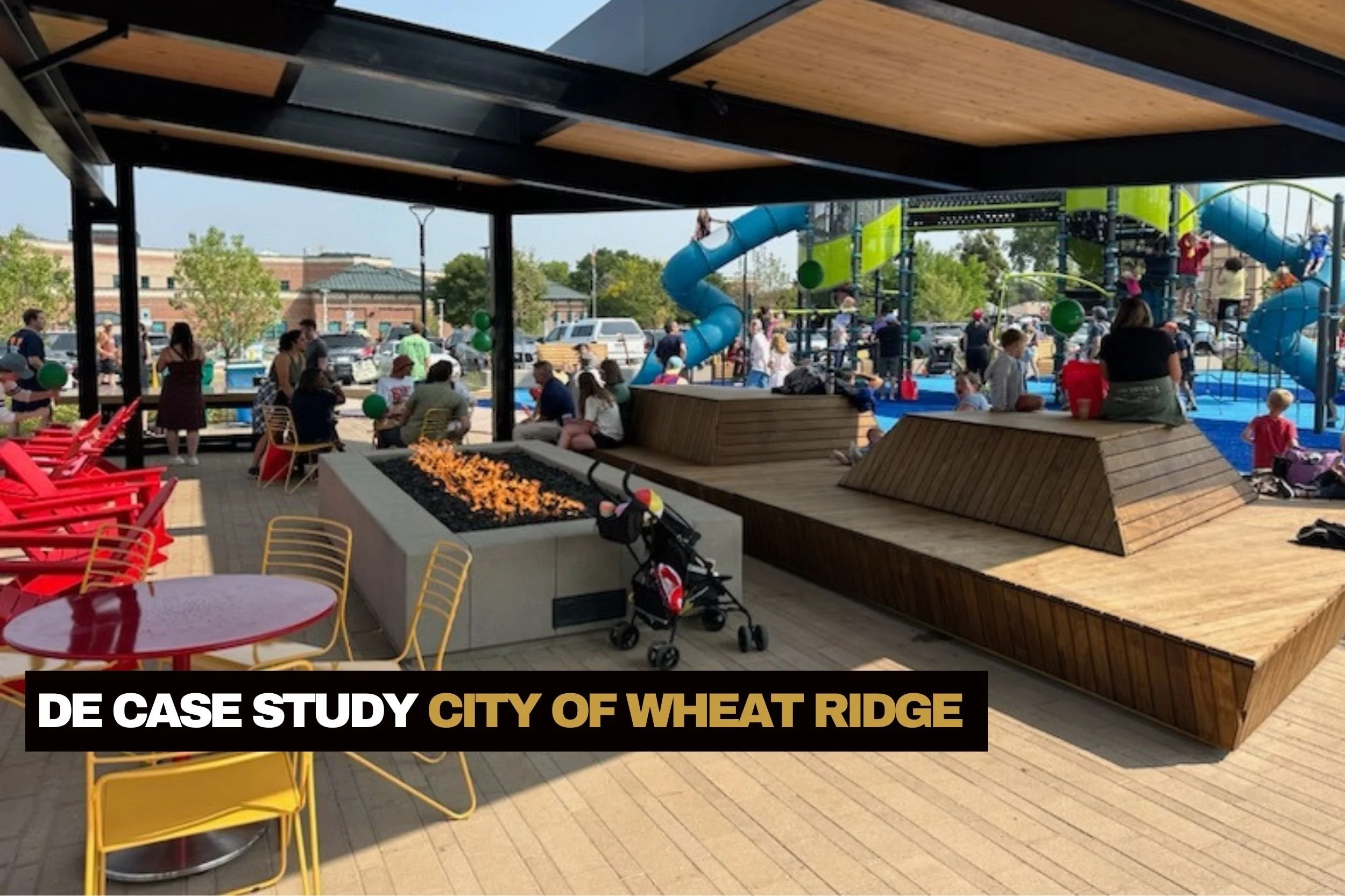
City of Wheat Ridge
To support a public-sector project with a complex decision chain, Digital Edge built a targeted outbound system—tight messaging, stakeholder-specific materials, and a follow-up cadence designed to move from initial contact to signed scope without relying on referrals.
See Case Study →
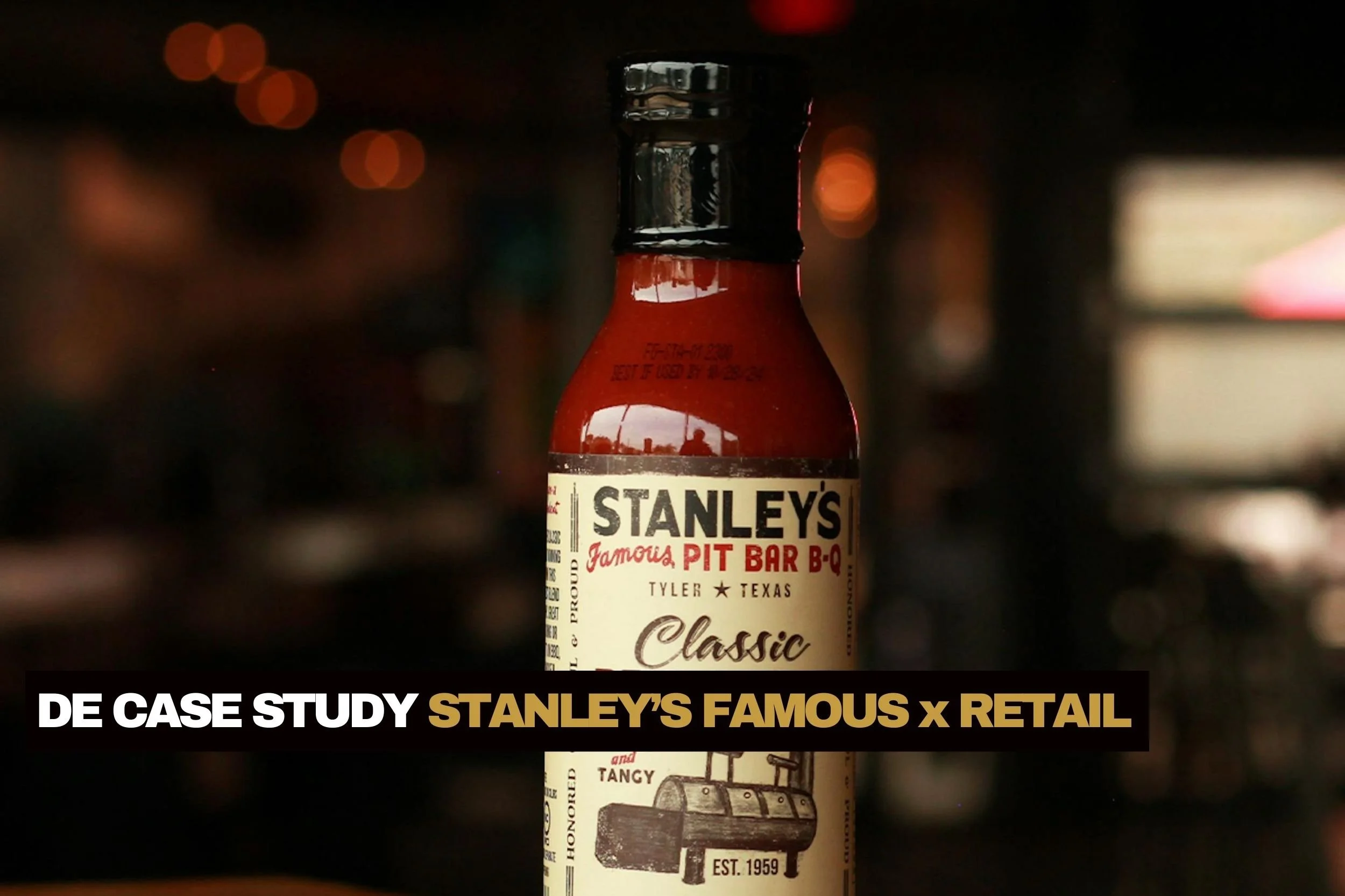
Stanley's Famous x Retail
As Stanley’s expanded beyond its home market, Digital Edge ideated and launched a performance-driven digital campaign to support growth across retail, events, and new distribution channels.
See Case Study →
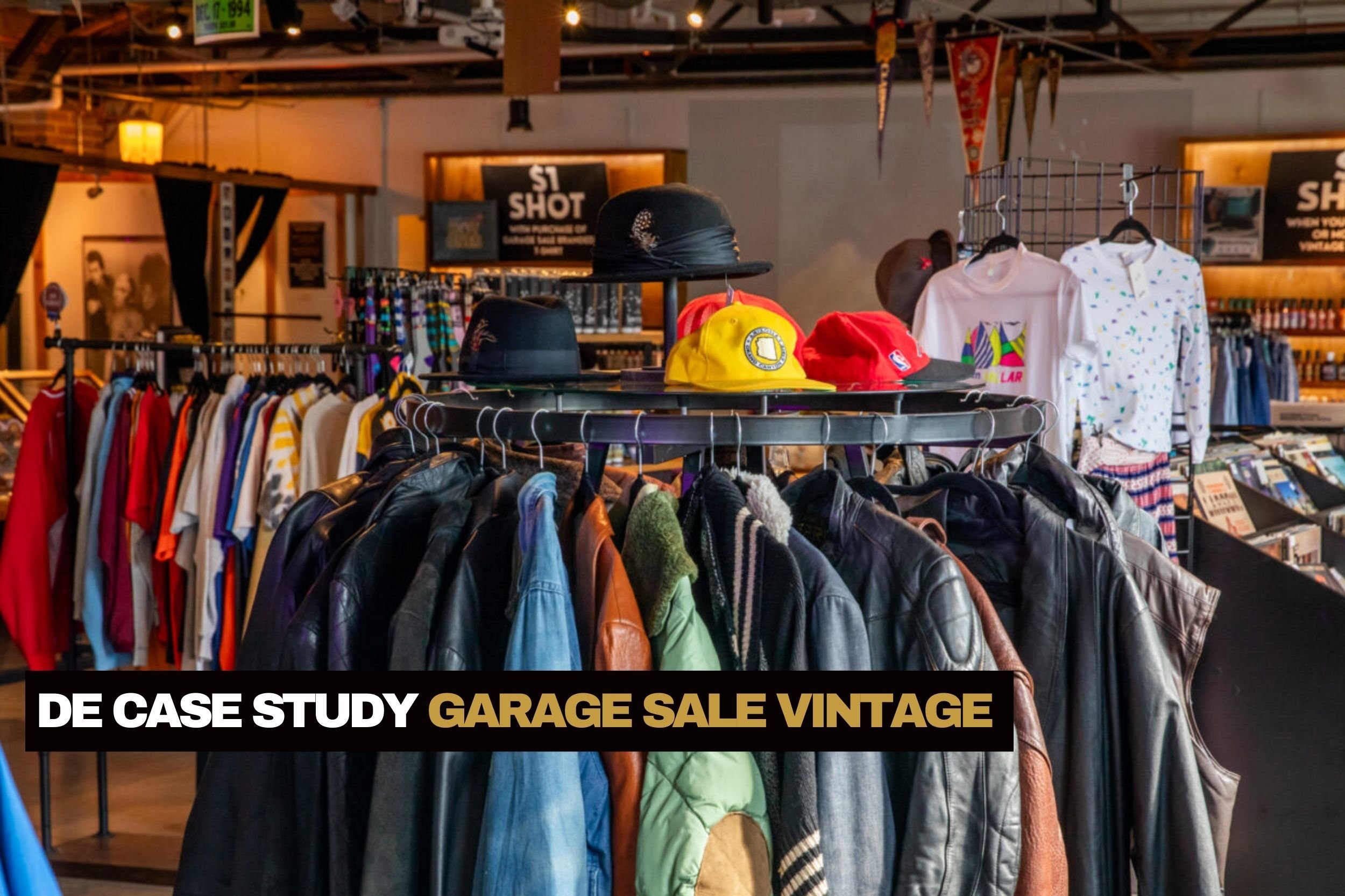
Garage Sale Vintage
Garage Sale Vintage wanted to increase in-store traffic while creating a steady pipeline for private events, so a scalable digital promotion system was implemented across its five locations.
See Case Study →