EXPERIENCE THE DEMAND-LEVEL ADVANTAGE
There’s a simple rule in marketing: people can’t buy what they don’t see. If you want results, your message has to show up in the right places, in front of the right people, at the right time. That’s where Digital Edge comes in. We focus on demand-level marketing—putting your message directly in front of the audiences already most likely to act. Instead of chasing trends or guessing, we work where attention already exists and make it easier for people to notice, engage, and move forward.DEMAND PATHS ARE THE KEY
So what do we mean by “demand paths”? Think of a demand path as the natural route someone takes from first noticing you to taking action. It’s the sequence of steps people already follow—searching, clicking, reading, comparing, and deciding.
Digital Edge focuses on placing your message directly along those paths. We use targeting, attribution, and clear reporting to understand where attention comes from, what people do next, and where momentum drops off. That visibility allows us to improve placement over time instead of guessing.
Just like people tend to look straight ahead when walking, buyers tend to follow predictable patterns when they’re ready to act. When your message shows up in those moments—clearly and consistently—it has a natural advantage over marketing that interrupts or distracts.
THE VALUE IN REACH, FREQUENCY, AND SPEED
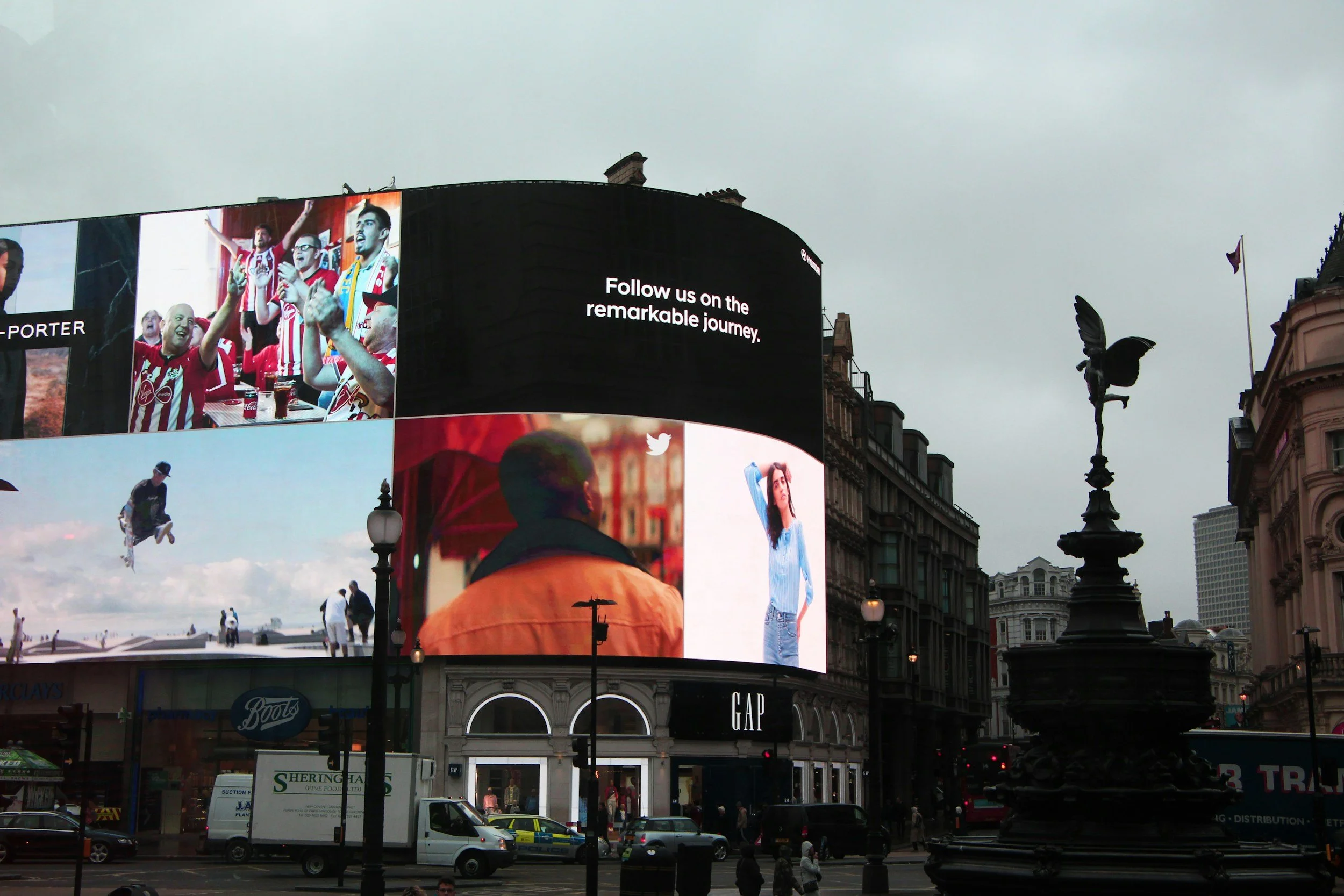
Demand grows in simple ways: more of the right people see you, they see you more than once, and they see you at the right time. That’s what reach, frequency, and speed actually mean in practice.
Digital Edge focuses on expanding reach by placing your message in front of audiences already aligned with what you offer. From there, we increase frequency—making sure people don’t just see you once, but repeatedly, across the moments where decisions are made. The result is familiarity, recognition, and momentum.
Speed matters just as much. When something is working, waiting slows everything down. Our systems are built to move quickly—launching, adjusting, and scaling without unnecessary friction. When the same message shows up consistently and on time, it’s far more likely to stick and drive action.
One of the biggest advantages of working with Digital Edge is speed. Once scope is defined, work moves immediately into execution. There’s no delay between planning and doing, because the same operators handle both.
Our systems are built to launch quickly and adjust just as fast. That means ads go live, audiences are captured, and momentum builds while others are still coordinating handoffs. In many cases, traffic and sales start moving before internal teams even realize something new is live.
You don’t have to imagine it—it’s how the system is designed to work.
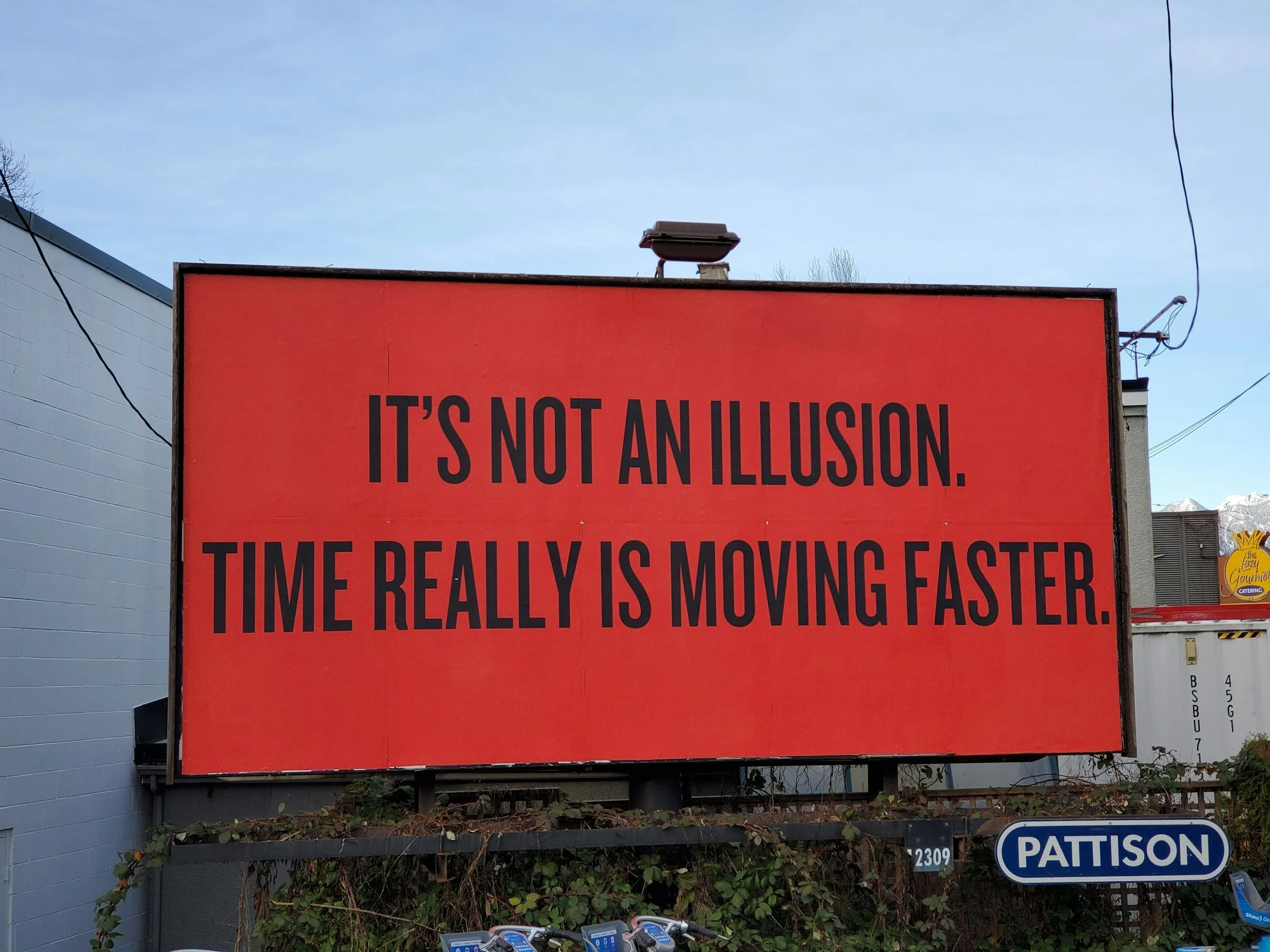
There are plenty of ways to advertise, but not all of them are easy to act on. Traditional ads often rely on passive exposure—someone sees a message, maybe remembers it later, maybe doesn’t. There’s no clear path forward, and little insight into what actually happens next.
Demand-level marketing works differently. It shows up when people are already paying attention—searching, scrolling, comparing, or deciding. Instead of hoping someone remembers you later, it gives them a clear next step in the moment. That’s what turns attention into action.
This doesn’t mean demand-level marketing is hands-off or automatic. Being close to the point of action requires constant monitoring. That’s why our systems are built to surface issues quickly—so performance, tracking, and delivery can be adjusted in real time. When something breaks, it’s visible. And when it’s visible, it can be fixed fast.
How Demand-Level Marketing Beats Traditional Advertising

Understanding the Layers of Demand
Demand isn’t driven by one channel alone. It’s built through layers—ads, search, email, retargeting, and repeat exposure working together over time. Each layer plays a role in how people notice you, remember you, and eventually take action.
Digital Edge designs these layers to work in sequence, not isolation. Paid media creates visibility, follow-up reinforces interest, and audience systems keep momentum going. As people move through the system, we track what they engage with and adjust accordingly—so attention compounds instead of resetting every time.
Rather than adding noise or chasing the newest tactic, we focus on stacking the right pieces in the right order. When those layers align, demand becomes easier to predict, easier to scale, and easier to maintain.